


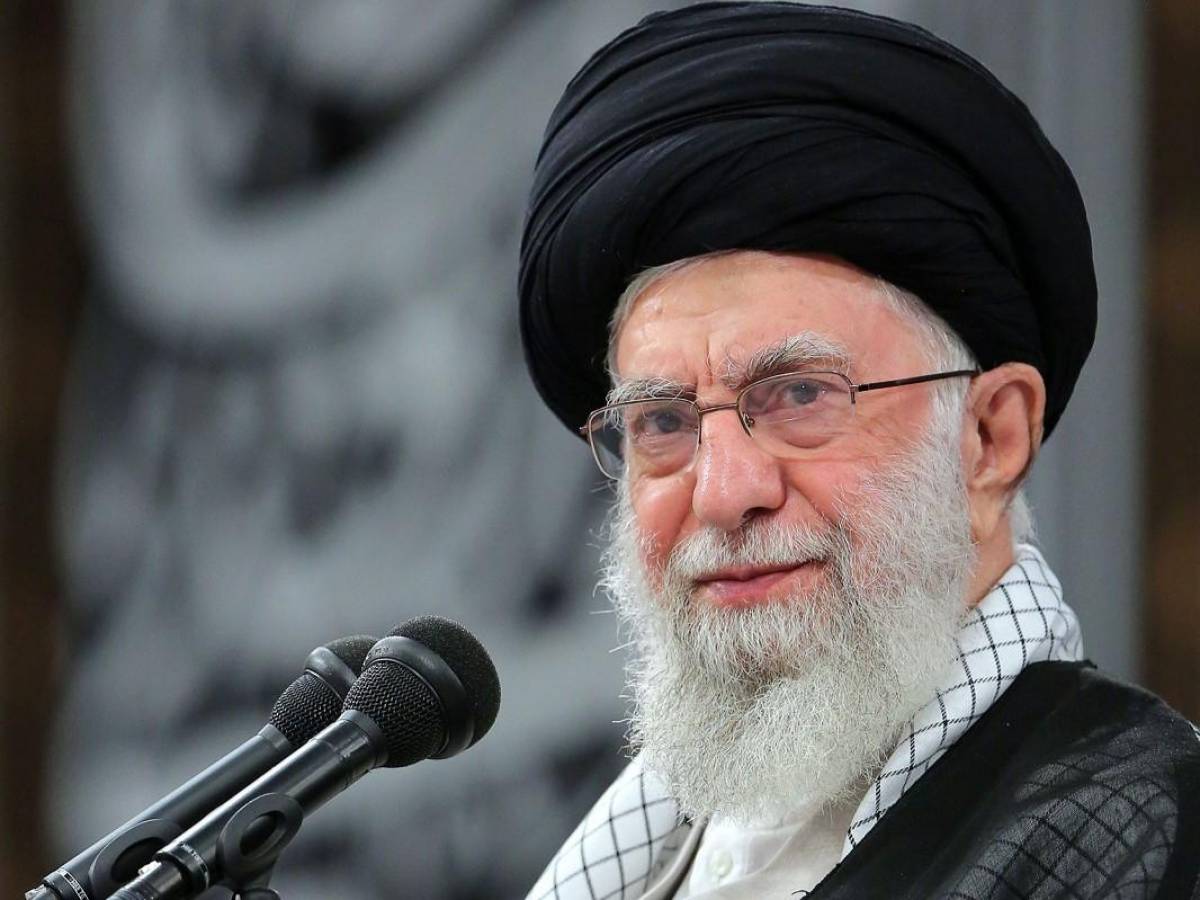
Who Will Be Iran’s Next Supreme Leader After Khamenei’s Assassination?
Iran is preparing for one of the most critical political transitions in its modern history after the assassination of Ayatollah Ali Khamenei on February 28, 2026, during Israeli–US strikes on Iran.
An election to choose Iran’s third Supreme Leader is expected to take place in 2026, though no official date has been announced.
The decision now rests with the powerful Assembly of Experts, the constitutional body responsible for appointing and overseeing the Supreme Leader.
With no publicly declared successor before Khamenei’s death, speculation has intensified over who will lead the Islamic Republic next.
Ayatollah Ali Khamenei ‘Martyred’: Iran-State Media Confirm Killing Of The Supreme Leader
Under Iran’s constitution, the 88-member Assembly of Experts selects the Supreme Leader by majority vote. Its current sixth term began in 2024 and will continue until 2032.
Reports over the years have suggested that a small internal committee has been reviewing possible successors in secrecy. However, no official list has been released.
Before his death, Khamenei had reportedly stated that his successor should be chosen based on “truth, the needs of the country, and God,” without political expediency.
Top Potential Candidates to Replace Khamenei
Although no formal nominees have been announced, several influential clerics and political figures are widely discussed as potential successors.
1. Mojtaba Khamenei
The second son of Ali Khamenei is considered one of the strongest contenders. He has long been seen as influential behind the scenes, particularly within Iran’s security and religious institutions. However, critics argue that his appointment could create internal tensions, as it may be viewed as dynastic succession.
2. Sadeq Larijani
A former judiciary chief and senior cleric, Larijani has deep ties within Iran’s political establishment and religious hierarchy.
3. Mohammad Mirbagheri
A hardline cleric with strong ideological credentials, Mirbagheri is seen as aligned with conservative factions within the regime.
4. Mohsen Araki
Araki has previously acknowledged that confidential discussions about succession have taken place within the Assembly of Experts.
5. Hassan Khomeini
The grandson of Ruhollah Khomeini, Hassan Khomeini, carries symbolic weight. However, analysts suggest his limited role in top-level power structures may weaken his chances.
There have also been discussions within the Assembly of Experts about possibly forming a leadership council instead of appointing a single Supreme Leader. This model was briefly used in the 1980s and could resurface if consensus proves difficult.
Iran Declares 40 Days Of Mourning Following Ali Khamenei’s Killing
However, many analysts believe the system is more likely to maintain a single powerful Supreme Leader to preserve centralised authority.
The succession question gained urgency during the 2025 Twelve-Day War between Iran and Israel. Reports indicated that Khamenei had asked the Assembly of Experts to prepare for an emergency transition in case of his assassination.
The war and subsequent regional tensions have increased pressure on Iran’s leadership structure, making the upcoming decision even more significant for both domestic stability and Middle East geopolitics.
(With inputs from agencies)


